
Before & After: Interior Design Transformations
In high-end design, luxury is built with order and substance. A space feels refined when the lighting, materials, and proportions are all perfectly aligned. Most projects start with “spatial discord”—meaning the rooms feel disconnected, the finishes don’t match, and the building’s potential is hidden. The transformation process unfolds in a sequence of key stages: an initial assessment of the existing space, careful spatial planning and design, precise execution of construction and finishes, and finally, considered placement of furnishings and decor. Through the formal process of interior design transformation, these deficiencies are systematically addressed, and the space is reconstituted into an environment of structure, refinement, and enduring value.
The process starts by checking the current state. Structural parts, ceiling heights, natural light, service points, and pathways are recorded accurately. Documentation typically involves site surveys, detailed measurements, photographic records, and CAD drawings or laser scanning to create precise plans of existing conditions. Columns, beams, plumbing, and the building’s fixed parts are checked and included in the design. In luxury renovation, these set the rules for all design choices.
Spatial planning is the principal basis for every before-and-after interior design project. Existing layouts are examined to identify where circulation is affected, creating coherence between adjoining spaces using architectural planning. Walls may be repositioned, openings enlarged, and thresholds redefined to regularise the flow of movement throughout the interior. Each room is assigned a clear purpose and integrated within the broader spatial composition. The resulting arrangement possesses order, clarity, and formal continuity.
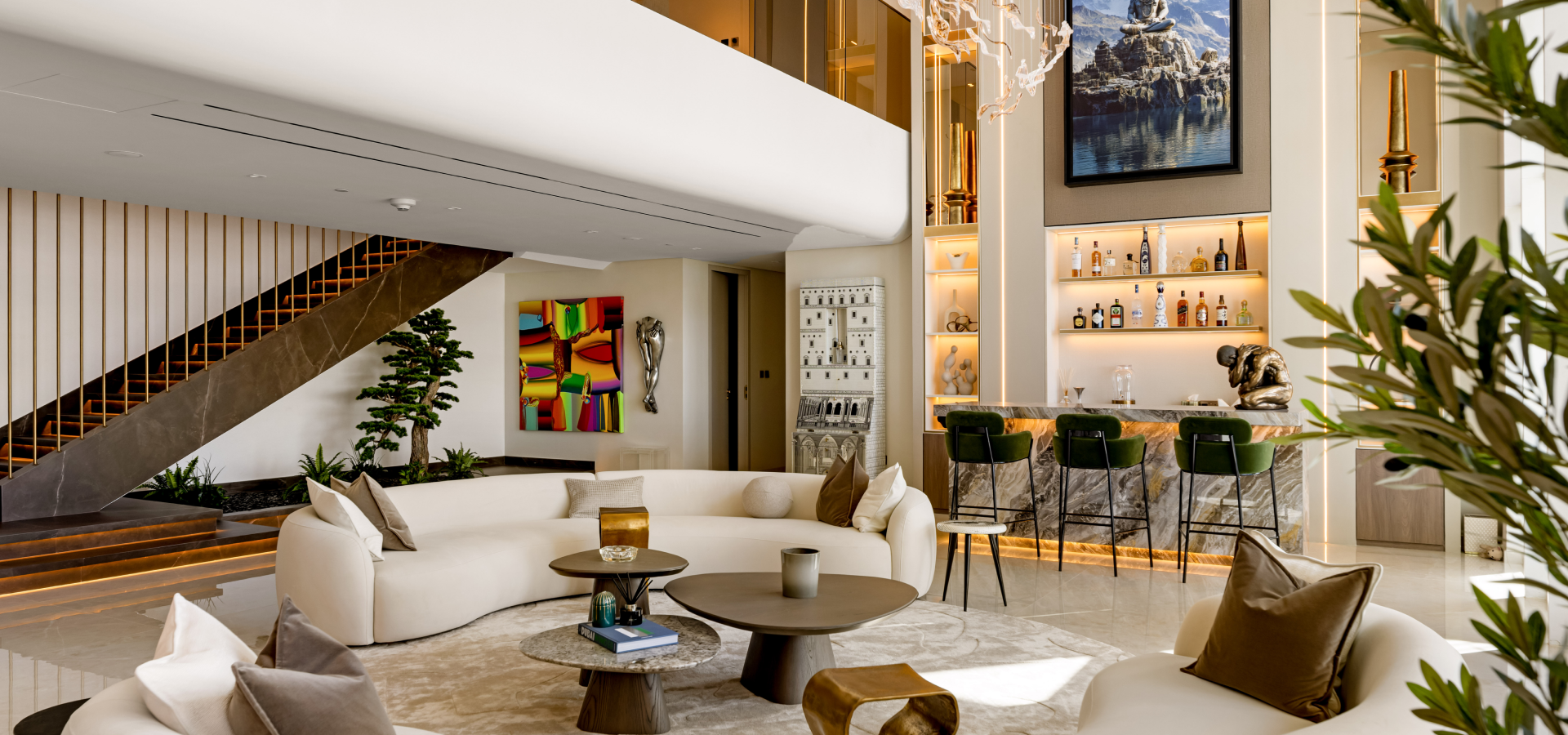
Lighting is meticulously placed to match the architectural intent. Natural illumination is extended deeper into the interior through enlarged openings, unobstructed sightlines, and reflective finishes. Artificial lighting is introduced through a layered system of ambient, task, and accent illumination. Recessed ceiling lights provide general clarity, while concealed LED detailing, wall lights, and decorative pendants establish hierarchy and atmosphere. In luxury interior transformations, lighting is an essential tool for defining architectural features and enhancing the experience of each space.
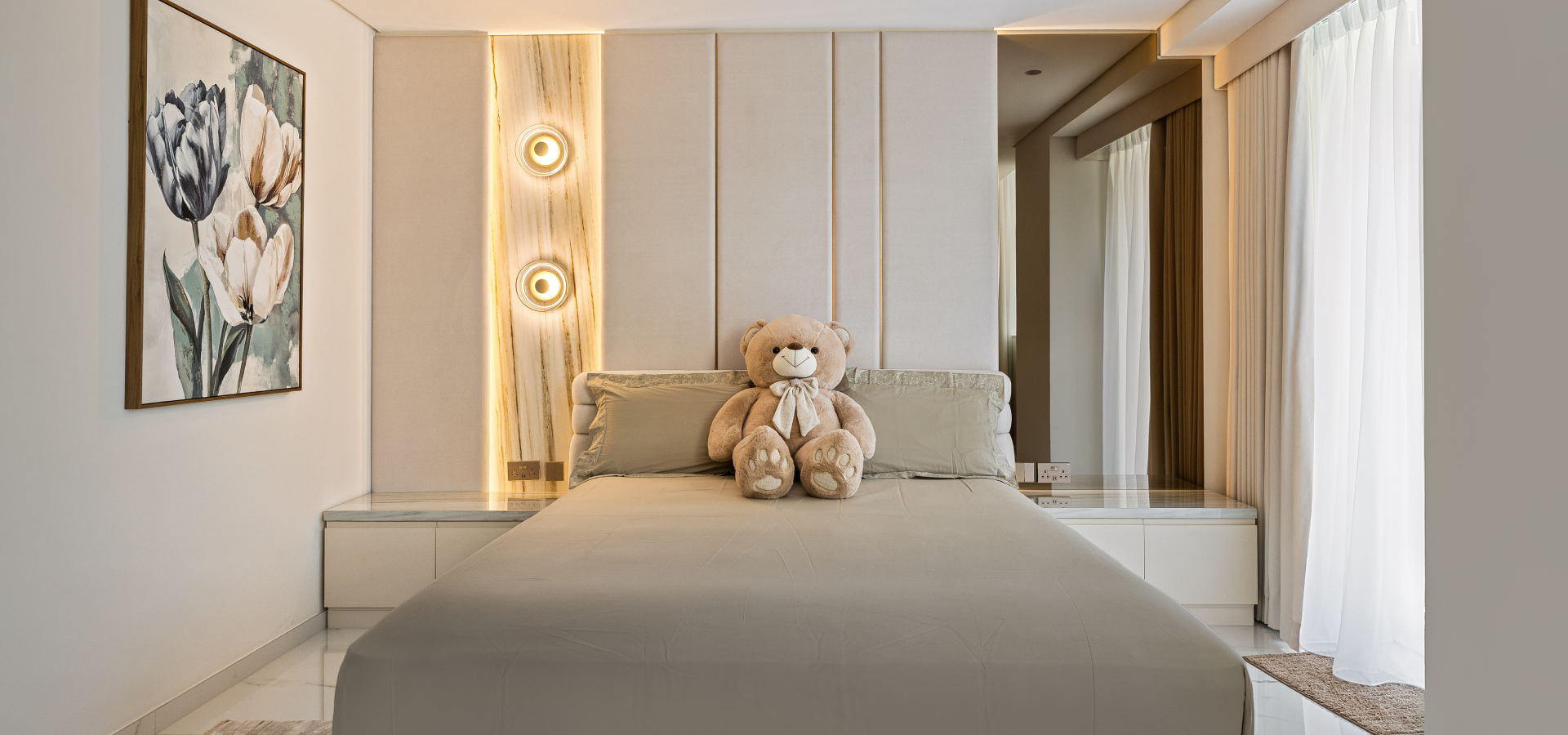
Material selection determines the character and integrity of the transformed environment. Existing finishes lacking durability or cohesion are removed and replaced with a curated palette chosen for performance and aesthetic continuity. Natural stone flooring, engineered timber, architectural metalwork, and bespoke wall treatments are specified in accordance with the project’s requirements. Each material is evaluated based on clear criteria: durability, ease of maintenance, visual compatibility, cost, sustainability, and supplier reliability.
Joinery requires technical precision. Custom cabinets, built-in wardrobes, hidden storage, and shelving are made and installed to exact measurements and approved shop drawings. Shop drawings are detailed technical documents that show how each joinery piece will be constructed, assembled, and placed within the space. They include precise dimensions, materials, and construction details, providing clear instructions to fabricators and installers so the final product meets the designer’s intent.
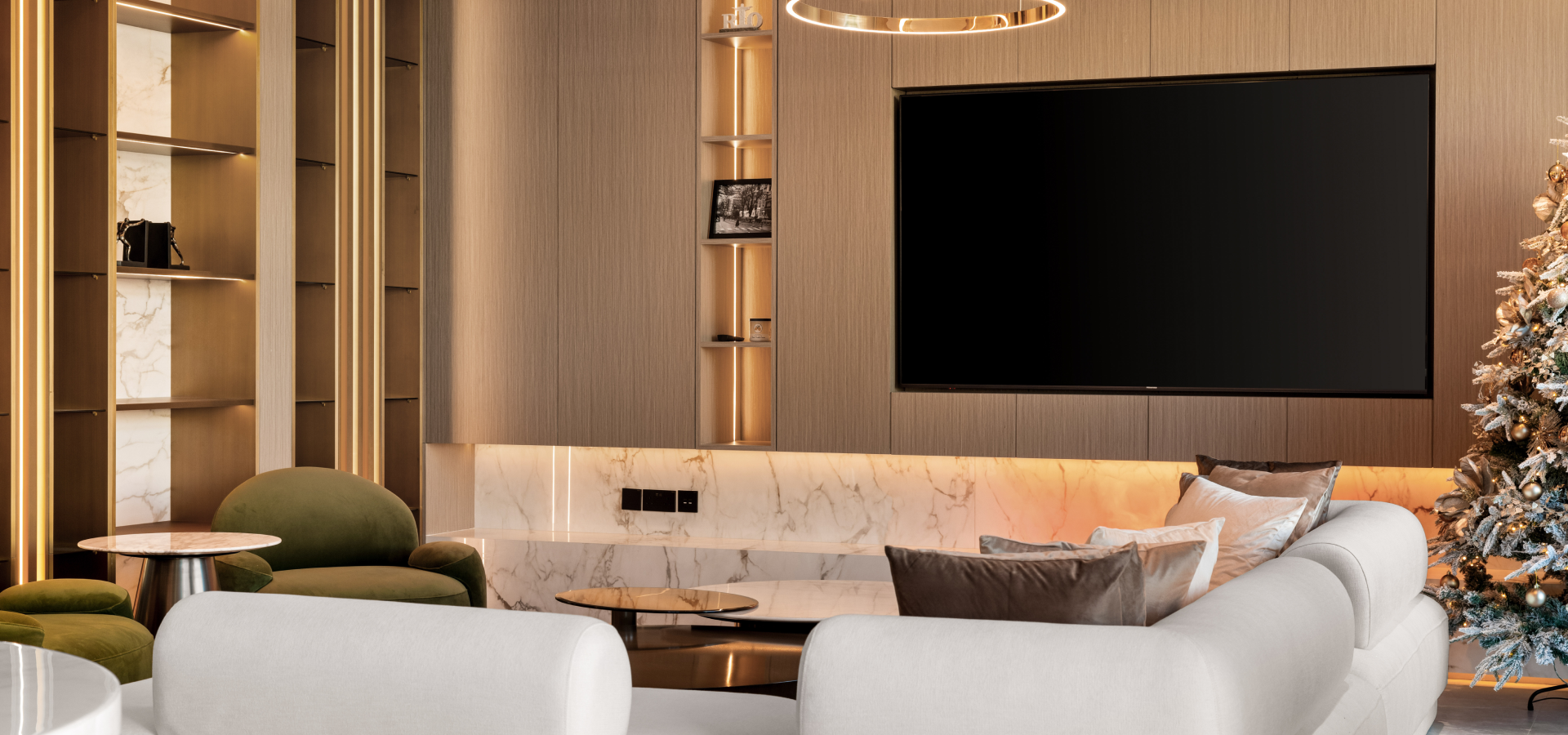
Most important use of joinery lies in hiding unattractive structural elements and aligning features to make the architecture well balanced and intentional. Shadow gaps, flush finishes, and hidden hardware are produced at par with design standards.
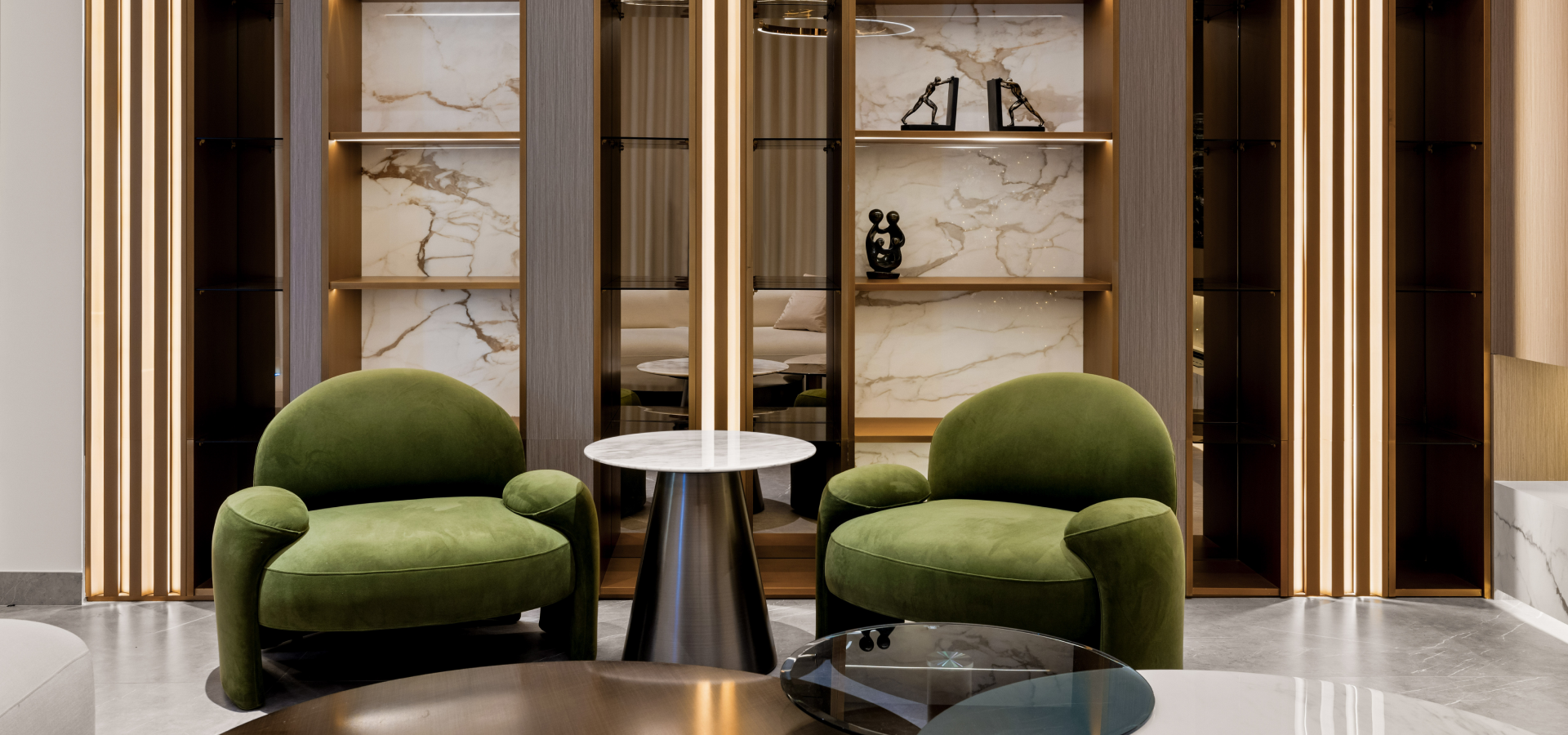
Furniture placement and decor complete the transformation. Each piece is chosen and placed for size, use, and design. Soft furnishings, rugs, lights, and decor are added step by step to keep the space balanced. The finished room shows clear and careful design. The value of an interior renovation before and after is evident in both its appearance and its operation. The transformed environment supports movement with greater ease, receives light with greater clarity, and accommodates daily life with greater efficiency. Disorder is regularised, imbalance is corrected, and the space is brought into formal alignment with its intended purpose.
Accordingly, interior transformation is a planned process with careful checks, teamwork, and strict follow-through. At its core is a dedicated project team, with each member fulfilling a distinct role. The interior designer leads the vision and coordinates the design direction, while the architect addresses structural challenges and helps refine spatial planning. Contractors execute the construction phases and oversee the quality of workmanship. The client remains closely involved, providing input, approving key decisions, and ensuring the finished environment reflects their needs and aspirations. This collaborative framework clarifies responsibilities throughout the project and promotes clear communication among all parties. Each step must match the design plan and respect the building’s style as a formal reconstitution of the interior, where order is restored, value is enhanced, and the design intent is given full and lasting effect.