Choosing the Right Materials for High-Traffic Interior Spaces
In commercial interiors, some spaces are used more intensely than others. Entrance lobbies, corridors, reception areas, lift lobbies, and circulation paths experience constant movement throughout the day. For these areas, material selection becomes more than a design decision — it is a long-term investment in durability, functionality, and overall user experience.
For a design & build interior firm, specifying the right materials means creating spaces that not only look refined on day one, but continue to perform well for years under daily wear and tear.
Flooring is often the most critical consideration in high-traffic environments. Surfaces must be able to withstand continuous footfall without cracking, staining, or losing their finish over time. Materials such as porcelain tile, natural stone, luxury vinyl tile (LVT), and polished concrete are widely preferred in commercial interiors because of their strength, longevity, and ease of maintenance. In entry areas, textured or matte finishes are especially important to improve slip resistance and reduce visible wear.
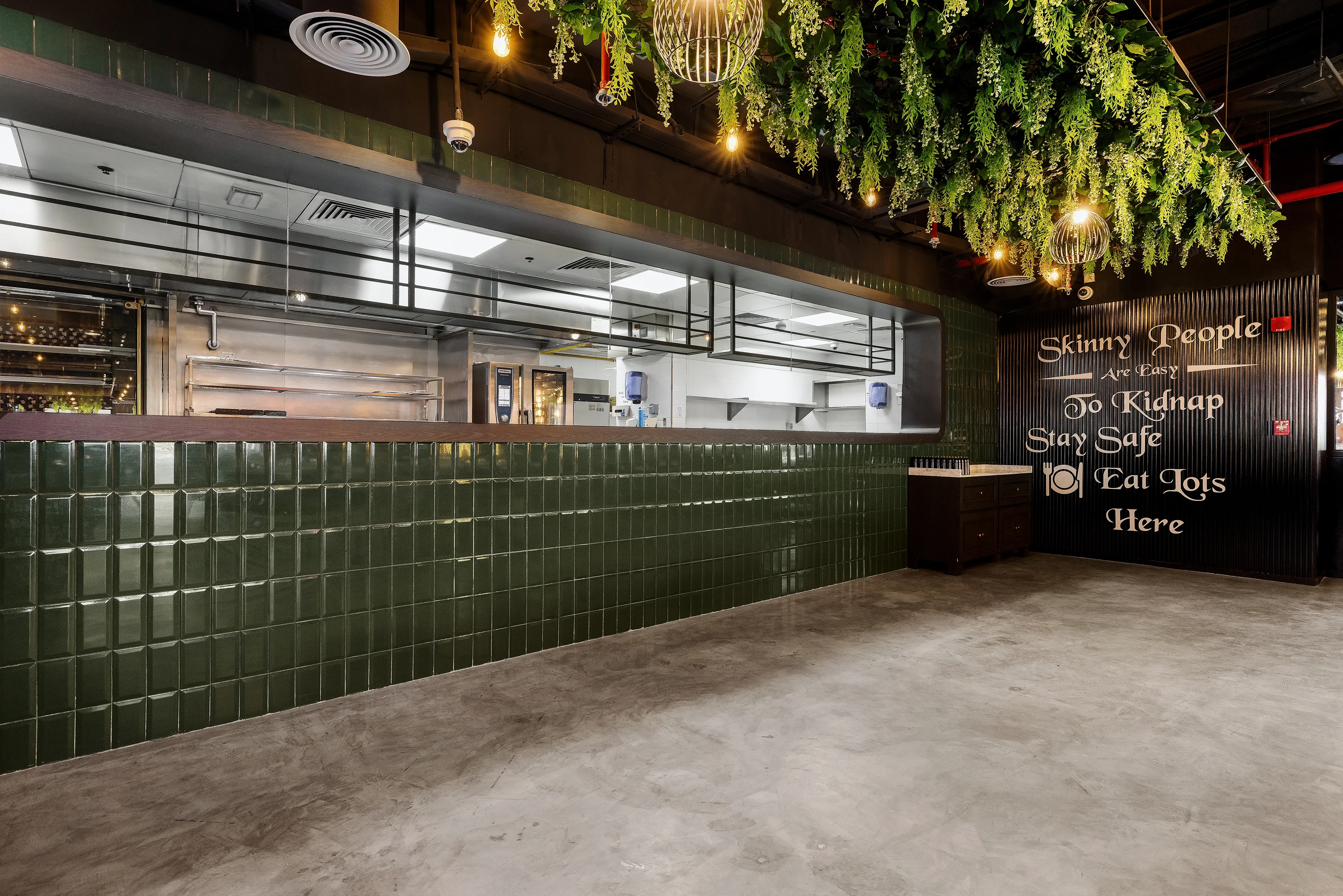
Walls in busy spaces also require durable specifications. Corridors, reception zones, and common areas are constantly exposed to impact, abrasion, and frequent contact. Architectural wall panels, high-pressure laminates (HPL), protective coatings, and commercial-grade paint systems help maintain a clean and professional appearance while reducing long-term maintenance requirements. Where timber finishes are introduced, protective sealants and polyurethane coatings help preserve the warmth and character of the material without compromising durability.
Maintenance should always be considered during the design stage. Materials selected for high-use areas should be easy to clean, resistant to staining, and capable of maintaining their appearance with minimal upkeep. Delicate finishes or highly porous materials may create unnecessary maintenance challenges in commercial settings. Practical material selection ultimately improves lifecycle performance and reduces operational costs over time.
Lighting also plays an important role in how materials perform visually. Highly polished surfaces often reveal scratches, smudges, and imperfections more easily under strong lighting conditions. Matte and lightly textured finishes generally perform better in high-traffic areas by concealing wear while maintaining a sophisticated appearance.
Attention to detailing is equally important. Transitions between flooring materials should be carefully designed and precisely installed to prevent chipping, uneven edges, or long-term movement. Expansion joints, edge trims, and protective detailing contribute significantly to the longevity and safety of the finished space.
Most importantly, durability should never compromise design intent. High-traffic areas are often the first spaces people experience when entering a workplace, hotel, retail environment, or residential development. The selected materials should align seamlessly with the overall interior concept while delivering the performance required for daily use.
At its best, interior material selection combines aesthetics with practicality. Thoughtfully specified finishes allow commercial interiors to remain visually consistent, operationally efficient, and durable enough to withstand continuous use — all while maintaining the quality and identity of the space over time.